Coastal Heritage
Ghana’s Coastline — Where History Met the Sea
Denkyem: — Adaptability, Resilience & Duality
The opening story
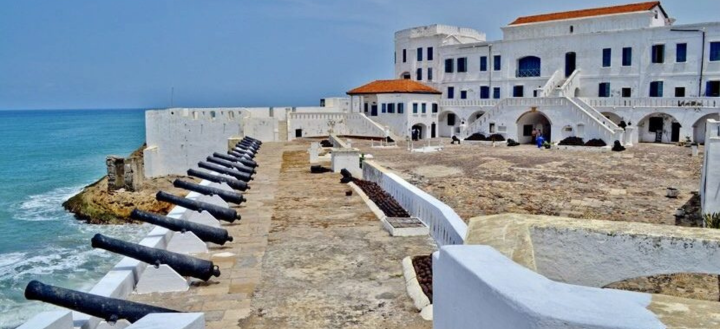
"Stand at the edge of Cape Coast Castle and look out to sea. The Atlantic stretches forever. And you feel it — the weight of history, the beauty of resilience, and the quiet pride of a people who endured and prevailed."
Ghana’s coastline stretches over 500 kilometres along the Gulf of Guinea, from the border with Côte d’Ivoire in the west to Togo in the east. It is one of the most historically layered coastlines in the world — a place where ancient fishing traditions, colonial history, and vibrant community life exist side by side.
The great forts and castles of Cape Coast and Elmina — now UNESCO World Heritage Sites — stand as haunting monuments to the transatlantic slave trade, drawing visitors from across the African diaspora who come to reconnect with their roots. But beyond the castles, the coastline is also a place of extraordinary life and beauty.
Cultural deep dive
Cape Coast Castle
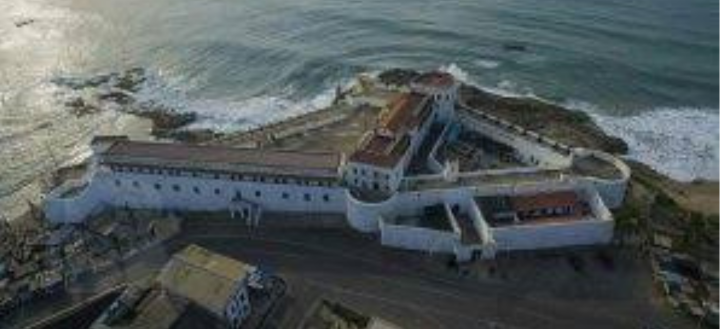
Built in 1653 and used as a holding point for enslaved Africans before the Middle Passage, Cape Coast Castle is one of the most significant and sobering historical sites in the world. Today it stands as a museum and memorial — the Door of No Return now also a Door of Return for the diaspora coming home.
The Fishing Communities
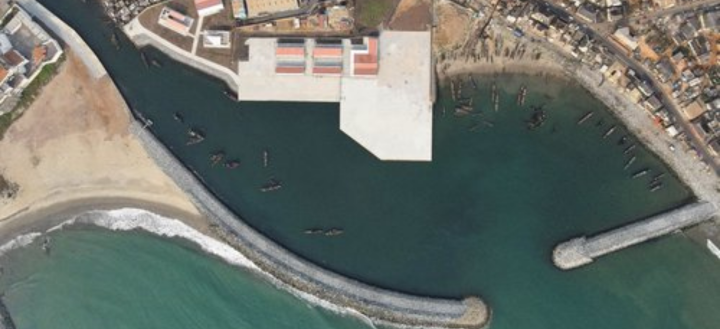
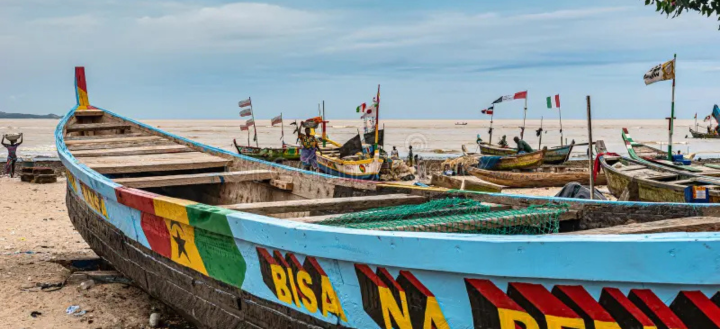
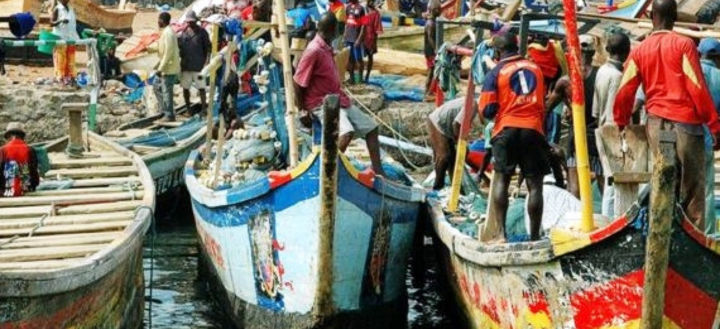
Long before the castles, Ghana’s coast was home to thriving Fante fishing communities whose knowledge of the sea was passed down through generations. The brightly painted wooden pirogues — fishing canoes — that dot the coastline today are a living link to centuries of maritime tradition.
Elmina — The Mine
Built by the Portuguese in 1482 — the oldest European building in sub-Saharan Africa — Elmina Castle stands at the edge of a fishing harbour where brightly painted boats still go out every morning. History and life coexist here in one of the most beautiful and complex settings in Ghana.
Festivals of the Coast
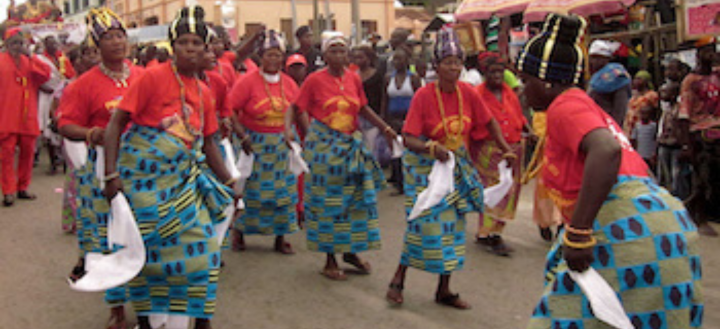
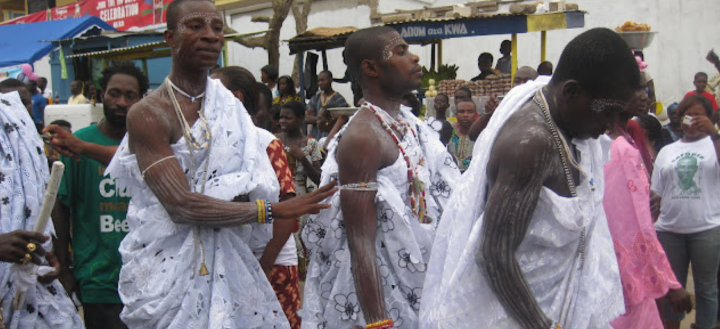
The Bakatue Festival in Elmina and the Fetu Afahye in Cape Coast are annual celebrations that have brought communities together for generations — thanksgiving ceremonies rooted in the fishing calendar that honour the sea and the community’s relationship with it.
Why this symbol?
Denkyem
The Crocodile
“Adaptability — thriving between two worlds”
Why this symbol?
The symbol chosen for this collection
The Denkyem — the crocodile — lives in water yet breathes air. It thrives between two worlds, adapting to both with quiet mastery. This is exactly the spirit of Ghana’s coastal communities — people who have always lived between the sea and the land, between ancient tradition and the forces of history, between loss and extraordinary resilience.
The crocodile does not fight the current. It moves with intelligence and patience. That is the story of coastal Ghana.
Cultural highlights
Cape Coast Castle, Elmina Harbour, Fishing Pirogues, Fante Culture


The Puzzle
Coastal Heritage Puzzle
A premium illustrated puzzle capturing the soul of Ghana’s coastline — the castles of Cape Coast and Elmina, vibrant fishing communities, the Atlantic horizon, and the enduring spirit of the Fante people.
Products launching soon. Join the waitlist for early access.
Explore more stories
Ghana's Coastline Coastal Heritage
Read the story →
Northern Ghana
Savannah Heritage
Read the story →
Own a Piece of Ghana’s Story
Join the wait-list and be the first to experience the collection when it launches.